The traditional finance sector faces a paradox: while global wealth continues to grow, access to many of the world’s most valuable assets remains limited to institutional investors and the ultra-wealthy. Real estate, commodities, fine art, and other tangible assets have historically been locked behind high minimum investments, complex legal structures, and illiquid markets.
Real-World Asset (RWA) tokenization is changing this dynamic by converting physical and traditional financial assets into digital tokens on blockchain networks. This process creates fractional ownership opportunities, increases liquidity, and democratizes access to previously exclusive investment categories.
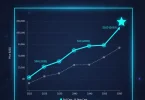
The numbers tell a compelling story. According to industry estimates, the global RWA tokenization market could reach $16 trillion by 2030, representing a massive shift in how we think about asset ownership and investment. Major financial institutions like JPMorgan, Goldman Sachs, and BlackRock have already begun exploring tokenized securities, signaling that this technology has moved far beyond experimental phases.
RWA tokenization addresses fundamental inefficiencies in traditional asset markets while opening new possibilities for both individual and institutional investors. The technology promises to bridge the gap between the digital and physical worlds, creating more efficient, transparent, and accessible financial markets.
What are Real-World Assets (RWAs)?
Real-World Assets encompass tangible and intangible assets that exist outside of native cryptocurrency ecosystems. These include real estate properties, commodities like gold and oil, artwork and collectibles, corporate bonds, invoices, intellectual property, and even carbon credits.
Traditional RWA investments face several persistent challenges. Liquidity remains a major obstacle—selling a commercial property or fine art piece can take months or years. High barriers to entry exclude many potential investors, as real estate investments often require hundreds of thousands of dollars, while accessing commodity markets typically demands sophisticated financial knowledge and significant capital.
Geographic limitations further restrict opportunities. A retail investor in Tokyo cannot easily invest in Manhattan real estate or African infrastructure projects. Administrative complexity adds another layer of friction, with extensive paperwork, legal requirements, and intermediary fees creating substantial overhead costs.
Market transparency also presents challenges. Pricing information for many RWAs is opaque, with limited standardization across markets. Settlement times can stretch for weeks, tying up capital and creating counterparty risk.
Tokenization: Bridging the Gap
Tokenization transforms these physical and traditional assets into digital representations on blockchain networks. The process involves creating digital tokens that represent ownership rights or economic interests in underlying assets. These tokens can then be traded, stored, and managed using blockchain infrastructure.
The mechanics are relatively straightforward. Asset owners work with tokenization platforms to create digital representations of their assets, complete with smart contracts that define ownership rights, revenue distribution, and governance mechanisms. Legal frameworks ensure that token holders maintain legitimate claims to underlying assets or their economic benefits.
Blockchain technology provides the foundation for this transformation. Immutable ledgers record all transactions and ownership changes, creating transparent and tamper-proof records. Smart contracts automate many processes that traditionally required intermediaries, reducing costs and settlement times.
The benefits are substantial. Fractional ownership allows investors to purchase portions of high-value assets rather than entire properties or commodities. A $10 million commercial building can be divided into thousands of tokens, each representing a small ownership stake. This dramatically lowers investment minimums and enables portfolio diversification across asset classes that were previously inaccessible.
Increased liquidity represents another major advantage. Traditional RWAs that might take months to sell can potentially be traded 24/7 on digital exchanges. Global accessibility removes geographic barriers, allowing investors worldwide to participate in local markets. Reduced intermediation cuts transaction costs and speeds up settlement processes.
Real-World Applications and Use Cases
Real Estate
Real estate tokenization has emerged as one of the most promising applications of RWA technology. RealT exemplifies this approach by tokenizing rental properties and distributing rental income to token holders as cryptocurrency. Investors can purchase tokens representing fractional ownership in properties across multiple markets, earning passive income without the traditional hassles of property management.
Commercial real estate tokenization extends these benefits to larger, more sophisticated properties. Office buildings, shopping centers, and industrial facilities that previously required institutional-scale investments can now accommodate smaller investors through fractionalized ownership structures.
Commodities
Commodity tokenization addresses traditional challenges in precious metals and energy markets. Gold tokenization platforms create digital representations backed by physical gold holdings in secure vaults. Investors can buy, sell, and trade these tokens without dealing with storage, insurance, or authenticity verification concerns.
Energy commodity tokenization opens new possibilities for oil, natural gas, and renewable energy investments. Tokens can represent ownership in energy production facilities or reserves, providing exposure to energy markets without the complexity of traditional commodity trading.
Art and Collectibles
Fine art tokenization democratizes access to high-value artworks and collectibles. Paintings, sculptures, and rare items that might sell for millions of dollars can be fractionalized into affordable tokens. This allows art enthusiasts and investors to own pieces of masterworks while providing liquidity to art owners who previously had limited monetization options.
Authentication and provenance tracking become more robust through blockchain records, addressing longstanding concerns about art market transparency and fraud prevention.
Supply Chain Finance
Centrifuge demonstrates how tokenization can transform business finance by converting invoices and other supply chain assets into tradable tokens. Small and medium-sized businesses can tokenize their accounts receivable, providing immediate access to capital while offering investors exposure to commercial credit opportunities.
This approach connects traditional business financing needs with decentralized finance protocols, creating new lending and investment opportunities across previously disconnected markets.
Debt and Credit
Goldfinch pioneered crypto lending backed by RWAs, enabling uncollateralized lending through tokenized credit facilities. Traditional debt instruments like corporate bonds, mortgages, and structured products can be tokenized to increase liquidity and broaden investor access.
Figure Technologies has applied blockchain technology to mortgage origination and Home Equity Line of Credit (HELOC) tokenization, streamlining processes that traditionally require extensive paperwork and lengthy approval periods.
Benefits of RWA Tokenization
Increased Liquidity
Tokenization transforms traditionally illiquid assets into potentially tradable securities. Real estate, art, and other assets that might take months to sell can theoretically be traded around the clock on digital platforms. This liquidity premium can increase asset values while providing investors with greater flexibility.
Secondary markets for tokenized assets create price discovery mechanisms that were previously unavailable for many asset classes. Continuous trading establishes market-based valuations rather than relying solely on periodic appraisals.
Enhanced Accessibility
Lower investment minimums democratize access to high-value assets. Instead of needing millions to invest in commercial real estate or hundreds of thousands for fine art, investors can participate with much smaller amounts. This broadens the investor base and creates more diverse ownership structures.
Geographic barriers dissolve as blockchain networks enable global participation. Investors can access opportunities regardless of their location, creating truly international markets for tokenized assets.
Improved Transparency
Blockchain ledgers provide immutable records of ownership and transaction history. This transparency reduces fraud risk and increases confidence in asset markets that have historically suffered from opacity. Smart contracts automate compliance and reporting requirements, ensuring consistent adherence to regulatory standards.
Real-time auditing capabilities allow stakeholders to verify asset backing and ownership structures without relying on periodic reports or third-party attestations.
Greater Efficiency
Automation through smart contracts reduces the need for intermediaries, cutting transaction costs and settlement times. Processes that traditionally required lawyers, brokers, and other professionals can be partially or fully automated, passing cost savings on to investors.
Faster settlement reduces counterparty risk and frees up capital for other investments. Traditional settlement periods measured in weeks can potentially be reduced to days or hours.
Challenges and Considerations
Regulatory Landscape
Regulatory uncertainty remains a significant challenge for RWA tokenization. Different jurisdictions have varying approaches to tokenized securities, creating compliance complexity for global platforms. Securities laws, anti-money laundering requirements, and investor protection regulations must all be navigated carefully.
Regulatory clarity is gradually improving as authorities recognize the technology’s potential benefits. However, compliance costs remain substantial, particularly for cross-border tokenization projects.
Security and Custody
Protecting tokenized assets requires robust security measures across multiple layers. Private key management, smart contract auditing, and secure storage of underlying assets all present potential vulnerabilities. High-profile hacks and security breaches in the broader cryptocurrency space have heightened awareness of these risks.
Insurance coverage for tokenized assets is still developing, creating additional considerations for investors and platform operators.
Valuation and Pricing
Establishing accurate valuations for tokenized RWAs can be challenging, particularly for unique assets like art or real estate. Traditional appraisal methods may not translate directly to tokenized formats, requiring new approaches to price discovery and risk assessment.
Market manipulation concerns arise when trading volumes are low or when large holders can influence prices significantly.
Scalability and Interoperability
Current blockchain networks face scalability limitations that could constrain RWA tokenization growth. Transaction throughput, energy consumption, and network congestion all impact the viability of large-scale tokenization programs.
Interoperability between different blockchain platforms remains limited, potentially fragmenting liquidity and creating inefficiencies across tokenized asset markets.
The Future of RWA Tokenization
Institutional adoption is accelerating as regulatory frameworks mature and traditional financial institutions develop blockchain capabilities. Major investment banks and asset managers are launching tokenization platforms and services, bringing institutional-grade infrastructure to the space.
Integration of artificial intelligence and machine learning will enhance risk assessment and portfolio management for tokenized assets. AI-powered valuation models, fraud detection systems, and automated compliance monitoring will improve efficiency and reduce risks.
Decentralized finance protocols specifically designed for RWAs are emerging, offering innovative financial products like yield farming with tokenized real estate or lending protocols backed by commodity tokens. These developments could create entirely new asset classes and investment strategies.
Standardization efforts across the industry aim to create interoperability protocols that enable seamless trading and management of tokenized assets across different platforms. These standards could unlock network effects that dramatically increase market efficiency and liquidity.
New asset classes continue to emerge beyond traditional categories. Carbon credits, intellectual property, infrastructure projects, and even personal income streams are being explored for tokenization. The scope of tokenizable assets may expand far beyond current imagination.
Cross-chain technologies and layer-2 solutions are addressing scalability concerns, potentially enabling mass adoption of tokenized securities. These technical improvements could support the tokenization of trillions of dollars in RWAs without overwhelming blockchain networks.
Transforming Finance Through Real Innovation
RWA tokenization represents more than a technological upgrade—it’s a fundamental reimagining of how assets can be owned, traded, and accessed. By converting physical and traditional financial assets into digital tokens, this technology addresses longstanding inefficiencies while creating new opportunities for both individual and institutional investors.
The evidence suggests we’re witnessing the early stages of a major transformation in finance. Real estate, commodities, art, and debt instruments that were once accessible only to wealthy or institutional investors are becoming available to a global audience. Platforms like RealT, Centrifuge, and Goldfinch demonstrate that these applications are already moving beyond proof-of-concept stages into practical implementation.
The path forward requires continued development of regulatory frameworks, security standards, and technical infrastructure. However, the potential benefits—increased liquidity, enhanced accessibility, improved transparency, and greater efficiency—provide strong incentives for overcoming these challenges.
RWA tokenization isn’t just digitizing existing markets; it’s creating entirely new possibilities for how value can be created, distributed, and accessed. As institutional adoption accelerates and technical capabilities mature, tokenized securities may become as common as traditional stocks and bonds, representing a true revolution in how we think about asset ownership and investment.