Blockchain technology is reshaping the financial landscape in ways most people never imagined. One of the most revolutionary developments is the tokenization of real-world assets (RWAs), a process that transforms physical and traditional financial assets into digital tokens on blockchain networks.
This transformation represents more than just a technological upgrade. It’s fundamentally changing how we think about ownership, investment, and asset management. From real estate properties worth millions to fine art pieces in private collections, tokenization is making previously illiquid and exclusive assets accessible to everyday investors.
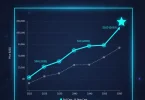
The RWA tokenization market is experiencing explosive growth. By 2025, experts predict the tokenized asset market could reach unprecedented levels as institutional investors, regulatory bodies, and technology platforms align to support this new financial infrastructure.
This comprehensive guide will explore everything you need to know about tokenized real-world assets, from basic concepts to advanced implementation strategies. Whether you’re an asset owner considering tokenization or an investor looking to diversify your portfolio, understanding this emerging field is essential for navigating the future of finance.
Understanding Tokenization
Tokenization is the process of converting ownership rights in an asset into digital tokens that exist on a blockchain. These tokens represent fractional or complete ownership of the underlying asset and can be traded, transferred, or held just like any other digital asset.
The tokenization process begins with asset valuation and legal structuring. Asset owners work with legal experts to create a framework that complies with relevant regulations while maximizing the benefits of blockchain technology. Once the legal structure is established, smart contracts are deployed on a blockchain platform to manage the token creation, distribution, and ongoing governance.
The benefits for asset owners are substantial. Tokenization provides access to global capital markets, reduces the time and cost of asset transfers, and creates new revenue streams through fractional sales. For investors, tokenization offers unprecedented access to traditionally exclusive asset classes with lower minimum investments and improved liquidity.
Two primary types of tokens represent real-world assets: security tokens and utility tokens. Security tokens represent ownership stakes in assets and are subject to securities regulations. They provide holders with rights such as profit sharing, voting privileges, or asset claims. Utility tokens, while less common for RWAs, can provide access to specific services or benefits related to the underlying asset.
Types of Real-World Assets Being Tokenized
Real Estate
Real estate tokenization is leading the RWA revolution. Properties ranging from commercial office buildings to residential developments are being converted into digital tokens, allowing investors to purchase fractional ownership stakes. This approach makes real estate investment accessible to those who cannot afford entire properties while providing property owners with new liquidity options.
Tokenized real estate projects have successfully funded developments, enabled property renovations, and created new income streams for property owners. Investors can diversify across multiple properties and geographic locations with smaller capital commitments than traditional real estate investment requires.
Commodities
Physical commodities like gold, oil, and agricultural products are natural candidates for tokenization. These assets have standardized values and established global markets, making them relatively straightforward to tokenize. Gold-backed tokens, for example, allow investors to gain exposure to precious metals without dealing with storage and security concerns.
Agricultural tokenization is particularly exciting for its potential to connect farmers directly with investors while providing transparency throughout the supply chain. Investors can fund specific crops or farming operations while farmers access capital without traditional banking intermediaries.
Equities and Bonds
Traditional financial instruments are being reimagined through tokenization. Tokenized stocks and bonds can trade 24/7 on blockchain platforms, potentially increasing liquidity and reducing settlement times. This approach is particularly valuable for private company shares and bonds from smaller issuers that lack access to traditional capital markets.
Art and Collectibles
High-value artwork and collectibles represent some of the most exciting tokenization opportunities. Masterpiece paintings, rare wines, vintage cars, and sports memorabilia can be fractionalized, allowing art enthusiasts to invest in pieces they could never afford individually. This democratization of art investment is creating new collector communities and market dynamics.
Intellectual Property
Patents, copyrights, trademarks, and other intellectual property rights are increasingly being tokenized. This approach allows inventors and creators to monetize their intellectual property more effectively while providing investors with exposure to innovation-based returns. Music royalties, patent licensing fees, and trademark revenues can all be tokenized and distributed to token holders.
Benefits of Tokenizing Real-World Assets
Increased Liquidity
Traditional assets like real estate and art often suffer from liquidity constraints. Selling a property or finding a buyer for a valuable painting can take months or years. Tokenization addresses this challenge by creating secondary markets where tokens can be traded quickly and efficiently.
Blockchain-based trading platforms operate continuously, allowing investors to buy and sell tokenized assets outside traditional market hours. This increased liquidity benefits both asset owners, who can access capital more quickly, and investors, who can adjust their portfolios with greater flexibility.
Fractional Ownership
Tokenization breaks down barriers to investment by enabling fractional ownership of high-value assets. Instead of needing millions to invest in commercial real estate or hundreds of thousands for fine art, investors can purchase token fractions representing smaller ownership stakes.
This fractional approach democratizes investment opportunities and allows for better portfolio diversification. Investors can spread smaller amounts across multiple asset classes rather than concentrating large sums in single investments.
Improved Accessibility
Geographic and regulatory barriers often limit investment opportunities. Tokenization creates global markets where investors from different countries can participate in asset ownership, subject to applicable regulations. This expanded access benefits both investors seeking diversification and asset owners seeking broader capital sources.
Digital platforms make the investment process more user-friendly, with streamlined onboarding, automated compliance checks, and intuitive interfaces that appeal to both experienced investors and newcomers.
Enhanced Transparency
Blockchain technology provides unprecedented transparency in asset ownership and transaction history. Every token transfer is recorded on an immutable ledger, creating a clear chain of custody and ownership verification. This transparency reduces fraud risks and builds trust among market participants.
Smart contracts automate many aspects of asset management, including dividend distributions, voting rights, and compliance requirements. This automation reduces errors and ensures consistent execution of ownership rights.
Reduced Costs
Traditional asset transactions often involve multiple intermediaries, each charging fees for their services. Tokenization streamlines these processes through smart contracts and blockchain automation, potentially reducing transaction costs significantly.
Lower costs make smaller transactions economically viable, further supporting fractional ownership models. Asset owners can also reduce ongoing management costs through automated systems that handle routine administrative tasks.
Challenges and Risks
Regulatory Uncertainty
The regulatory landscape for tokenized assets remains complex and evolving. Different jurisdictions have varying approaches to digital securities, and compliance requirements can be extensive and costly. Asset owners and platform operators must navigate securities laws, anti-money laundering regulations, and tax implications across multiple jurisdictions.
Regulatory uncertainty can limit market development and investor participation. Clear regulatory frameworks will be essential for widespread adoption of tokenized assets.
Security Concerns
Blockchain platforms and tokenization infrastructure face ongoing security challenges. Smart contract vulnerabilities, private key management issues, and platform hacks can result in significant losses. The immutable nature of blockchain transactions means that errors or security breaches can have permanent consequences.
Robust security measures, including multi-signature wallets, regular security audits, and insurance coverage, are essential for protecting tokenized assets and maintaining investor confidence.
Valuation Issues
Determining fair market values for tokenized assets can be challenging, particularly for unique assets like art or real estate in emerging markets. Traditional valuation methods may not fully capture the benefits and risks of tokenization, leading to pricing inefficiencies.
Regular revaluations and transparent valuation methodologies are necessary to maintain market confidence and ensure fair pricing for token holders.
Market Volatility
Tokenized assets may experience price volatility unrelated to the underlying asset’s fundamental value. Cryptocurrency market sentiment, regulatory announcements, and technology developments can all impact token prices in ways that don’t reflect asset performance.
This additional volatility layer can create opportunities for some investors while increasing risks for others. Clear communication about risk factors and volatility sources is essential for informed investment decisions.
Future Trends and Predictions for 2025
The tokenized RWA market is positioned for explosive growth through 2025. Industry analysts predict the market could reach hundreds of billions in value as institutional adoption accelerates and regulatory frameworks become clearer.
Institutional investors are expected to drive significant growth as they recognize tokenization benefits for portfolio diversification and operational efficiency. Pension funds, insurance companies, and asset managers are actively exploring tokenized asset strategies.
Technological advancements will continue to improve tokenization infrastructure. Layer 2 scaling solutions will reduce transaction costs and increase throughput, while improved interoperability between different blockchain networks will create more liquid and efficient markets.
Central Bank Digital Currencies (CBDCs) may accelerate tokenized asset adoption by providing stable, government-backed digital currencies for asset transactions. This development could reduce volatility concerns and increase institutional comfort with blockchain-based assets.
Case Studies
Several successful tokenization projects demonstrate the potential of RWA tokenization. Real estate platforms have tokenized properties worth hundreds of millions of dollars, providing investors with steady returns while offering property owners new liquidity sources.
Art tokenization platforms have successfully fractionalized famous artworks, allowing thousands of investors to own pieces of masterworks. These projects have generated significant returns while creating new collector communities around fractional art ownership.
Commodity tokenization initiatives have connected agricultural producers directly with global investors, providing farmers with better financing terms while offering investors exposure to agricultural markets with transparent supply chain tracking.
How to Get Started with Tokenized RWAs
Asset owners considering tokenization should begin by evaluating their assets’ suitability for the process. Assets with clear ownership rights, established valuation methods, and potential for fractional ownership make good candidates for tokenization.
Legal and regulatory compliance is crucial from the start. Working with experienced attorneys who understand both traditional securities law and blockchain technology is essential for successful tokenization projects.
Technology platform selection requires careful evaluation of security features, scalability, regulatory compliance tools, and ongoing support services. The chosen platform should align with the asset’s specific requirements and target investor base.
For investors interested in tokenized RWAs, starting with established platforms that offer regulatory compliance, insurance coverage, and transparent reporting is advisable. Beginning with smaller investments while learning about the market dynamics and risks can help build confidence and expertise.
Regulatory Landscape
The United States has taken a cautious but increasingly clear approach to tokenized securities. The SEC has provided guidance on when tokens constitute securities and what compliance requirements apply. Several states have enacted blockchain-friendly legislation to encourage innovation while protecting investors.
European Union regulations are evolving toward comprehensive frameworks for digital assets. The Markets in Crypto-Assets (MiCA) regulation will provide clearer rules for tokenized assets across EU member states, potentially accelerating adoption.
Asian markets show varying approaches, with some jurisdictions embracing tokenization for economic development while others maintain restrictive approaches. Singapore and Hong Kong have emerged as regional leaders in providing clear regulatory pathways for tokenized assets.
Technological Infrastructure
Ethereum remains the dominant platform for tokenized assets due to its mature smart contract capabilities and extensive developer ecosystem. However, high transaction fees and scalability limitations have driven adoption of alternative platforms.
Polygon, Binance Smart Chain, and other layer 2 solutions offer lower costs and faster transactions while maintaining compatibility with Ethereum’s ecosystem. These platforms are becoming increasingly popular for tokenized asset projects.
Custody solutions specifically designed for tokenized assets are crucial for institutional adoption. These services provide secure storage, regulatory compliance, and integration with traditional asset management systems.
Transforming Finance Through Tokenization
Tokenized real-world assets represent a fundamental shift in how we think about ownership, investment, and financial markets. The convergence of blockchain technology with traditional assets creates opportunities for increased liquidity, broader access, and improved efficiency across numerous asset classes.
While challenges around regulation, security, and market development remain, the trajectory toward widespread tokenization adoption is clear. The benefits for both asset owners and investors are compelling, and technological infrastructure continues to mature.
As we move toward 2025, tokenized RWAs will likely become a standard component of diversified investment portfolios. Early adopters who understand the opportunities and risks will be best positioned to benefit from this transformation.
The future of finance is being built today through tokenization. Understanding and engaging with this emerging market could provide significant advantages for forward-thinking investors and asset owners ready to embrace the next evolution of financial markets.