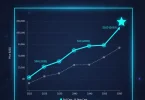
Non-Fungible Tokens have transformed how we think about digital ownership. These blockchain-based certificates have created a $20 billion market where digital art, music, and virtual assets can be bought, sold, and traded with verifiable authenticity. Whether you’re an artist looking to monetize your work or an investor exploring new opportunities, understanding NFTs is essential for navigating the modern digital economy.
This comprehensive guide walks you through everything you need to know about NFTs. You’ll learn how the technology works, discover step-by-step instructions for creating your first NFT, explore safe investment strategies, and gain insights into what the future holds for this rapidly evolving space.
Understanding the Technology Behind NFTs
NFTs operate on blockchain networks, with Ethereum being the most popular platform. Think of blockchain as a digital ledger that records every transaction permanently and transparently. When you create an NFT, you’re essentially minting a unique digital certificate that proves ownership of a specific digital asset.
The “non-fungible” aspect means each token is one-of-a-kind. Unlike cryptocurrencies such as Bitcoin, where one coin equals another, each NFT has distinct properties that make it irreplaceable. This uniqueness comes from smart contracts—self-executing programs that contain the NFT’s metadata, including its identification code, ownership history, and specific attributes.
Key blockchain features that power NFTs:
- Immutability: Once recorded, ownership records cannot be altered
- Transparency: All transactions are publicly viewable
- Decentralization: No single authority controls the network
- Smart contracts: Automated execution of terms and conditions
These features address a fundamental problem in the digital world: proving authenticity and ownership. Before NFTs, digital files could be copied endlessly without distinguishing the original from duplicates. Now, creators can establish verifiable scarcity for their digital works.
Step-by-Step Guide to Creating Your First NFT
Creating an NFT might seem complex, but the process has become increasingly user-friendly. Here’s how to mint your first token:
Step 1: Prepare Your Digital Asset
Your NFT can be virtually any digital file—artwork, music, video, or even a tweet. Ensure your file is in a supported format (JPEG, PNG, GIF, MP4, etc.) and represents your best work since you’ll be associating it with blockchain records permanently.
Step 2: Choose Your Blockchain Platform
While Ethereum remains the most popular choice, alternatives like Polygon, Binance Smart Chain, and Solana offer lower transaction fees. Consider your target audience and marketplace compatibility when making this decision.
Step 3: Set Up a Digital Wallet
You’ll need a cryptocurrency wallet to store your NFTs and pay transaction fees. MetaMask is the most widely used option, offering browser integration and mobile apps. Create your wallet, secure your seed phrase, and add cryptocurrency to cover minting costs.
Step 4: Select an NFT Marketplace
Popular platforms include:
- OpenSea: The largest marketplace with extensive features
- Rarible: Community-governed platform with creation tools
- Foundation: Curated platform focusing on high-quality art
- SuperRare: Premium marketplace for digital art
Step 5: Upload and Mint Your NFT
Connect your wallet to your chosen marketplace, upload your digital file, and fill in the metadata. This includes your NFT’s name, description, and properties. You can also set royalty percentages for future sales—typically between 5-10%.
Step 6: Pay Minting Fees and List for Sale
Complete the minting process by paying the required blockchain fees (called “gas fees” on Ethereum). Once minted, you can immediately list your NFT for sale using fixed prices or auction formats.
Where and How to Buy and Sell NFTs
The NFT marketplace ecosystem offers various platforms, each with unique features and audiences. Understanding these differences helps you make informed buying and selling decisions.
Popular NFT Marketplaces
OpenSea dominates the market as the largest NFT platform, hosting millions of digital assets across multiple categories. Its user-friendly interface makes it ideal for beginners, while advanced features serve experienced traders. The platform supports multiple blockchains and offers comprehensive filtering options.
Rarible operates as a decentralized marketplace where users can vote on platform upgrades through its governance token. This community-driven approach appeals to users who want influence over platform development. Rarible also offers competitive creator royalties and innovative features like unlockable content.
Foundation curates high-quality digital art through an invite-only system for creators. This exclusivity often results in higher-value sales but limits access for new artists. The platform focuses on building relationships between collectors and creators.
Buying NFTs Safely
Research thoroughly before making purchases. Examine the creator’s reputation, verify the NFT’s authenticity, and understand the rights you’re acquiring. Many buyers mistakenly think purchasing an NFT grants full copyright ownership, but typically you’re buying proof of ownership for that specific token.
Check transaction history to ensure the NFT hasn’t been involved in suspicious activities. Look for verification badges on creator profiles, and be wary of deals that seem too good to be true. Scammers often create counterfeit versions of popular NFTs.
Selling Strategies
Successful NFT selling requires strategic thinking about timing, pricing, and marketing. Build an audience before launching your NFTs through social media engagement and community participation. Price competitively by researching similar works, and consider starting with auction formats to gauge market interest.
Promote your NFTs across multiple channels, including Twitter, Discord communities, and NFT-focused forums. Engage authentically with potential buyers rather than simply advertising your work.
Tips for Investing in NFTs Safely
NFT investing carries significant risks alongside potential rewards. The market’s volatility means values can fluctuate dramatically based on trends, celebrity endorsements, or broader economic conditions.
Risk Assessment Strategies
Diversification remains crucial in NFT investing. Avoid putting all funds into a single piece or collection. Spread investments across different categories, price points, and creators to minimize risk exposure.
Due diligence involves researching creators’ backgrounds, examining previous sales data, and understanding the specific rights associated with each NFT. Verify authenticity by checking official creator accounts and marketplace verification status.
Market timing plays a significant role in NFT success. Monitor broader crypto market trends, as NFT prices often correlate with cryptocurrency performance. Avoid FOMO (fear of missing out) purchases during peak hype periods.
Long-term Investment Considerations
Focus on NFTs with potential long-term value rather than short-term speculation. Utility-based NFTs that provide ongoing benefits—such as membership access, gaming advantages, or evolving artwork—often maintain value better than purely speculative pieces.
Consider the creator’s reputation and track record. Established artists with strong communities and consistent output typically offer more stable investment prospects than unknown creators riding temporary trends.
Building a portfolio requires patience and strategic thinking. Start small while learning the market dynamics, gradually increasing investment amounts as you develop expertise and confidence.
The Future of NFTs and Their Potential Impact
The NFT landscape continues evolving beyond digital art and collectibles. With projected market growth to $3.2 billion by 2027, new applications are emerging across multiple industries.
Gaming Revolution
NFTs are transforming gaming by enabling true ownership of in-game assets. Players can now buy, sell, and trade items across different games, creating new economic opportunities. This “play-to-earn” model allows gamers to generate real income through skilled gameplay and strategic asset management.
Major gaming companies are developing NFT integration strategies, suggesting widespread adoption in the coming years. Virtual worlds like Decentraland and The Sandbox demonstrate how NFTs can represent virtual real estate and unique experiences.
DeFi Integration
Decentralized Finance (DeFi) protocols are beginning to accept NFTs as collateral for loans, unlocking liquidity without requiring asset sales. This development transforms NFTs from static collectibles into productive financial instruments.
Fractionalized ownership models allow multiple investors to own portions of high-value NFTs, democratizing access to premium digital assets. These innovations expand the NFT market beyond individual collectors to institutional investors.
Addressing Current Challenges
Environmental concerns surrounding NFT energy consumption are driving innovation toward more sustainable solutions. Layer 2 scaling solutions and proof-of-stake blockchains significantly reduce the carbon footprint of NFT transactions.
Regulatory clarity is gradually emerging as governments develop frameworks for digital asset oversight. This legal certainty will likely increase institutional adoption and mainstream acceptance of NFTs.
SoulBound NFTs (SBTs) represent an exciting development where tokens cannot be transferred, creating permanent records of achievements, certifications, or memberships. These applications extend NFT utility beyond monetary value into identity and credential verification.
Your Next Steps in the NFT Space
NFTs represent more than a technological novelty—they’re reshaping digital ownership, creativity, and investment. From empowering artists to monetize their work directly to creating new gaming economies, these blockchain-based certificates are building the foundation for a more connected digital future.
Success in the NFT space requires education, patience, and strategic thinking. Whether you’re creating, buying, or investing, approach this market with realistic expectations and thorough research. The technology’s potential is immense, but like any emerging market, it carries both opportunities and risks.
Consider starting your NFT journey by exploring established marketplaces, engaging with creator communities, and experimenting with small investments. As the technology matures and new applications emerge, those who understand NFT fundamentals will be best positioned to capitalize on future opportunities.
The digital ownership revolution is just beginning. By understanding NFT technology, market dynamics, and future potential, you’re preparing for a world where digital and physical assets converge in unprecedented ways.